AI-powered clinical intelligence that makes substance use treatment more personal, transparent, and effective.

See how it works ↓
scroll

Treatment works — when it's personal

Substance use disorder is a chronic condition shaped by housing, employment, trauma, and social connection — not just pharmacology. Yet clinicians are forced to make treatment decisions from fragmented records and static assessments, defaulting to familiar protocols instead of strategies tailored to each person's real life.

We're building the tools to close that gap.

48M
Americans met SUD criteria in 2024
~95%
Relapse rate under current approaches
5+
Average treatment attempts per person
14K+
Registered treatment facilities in the U.S.

Three lenses on every patient's story

Our platform transforms fragmented clinical data into a unified, interactive view — designed for clinicians who need to see the whole picture, not just the last visit note.
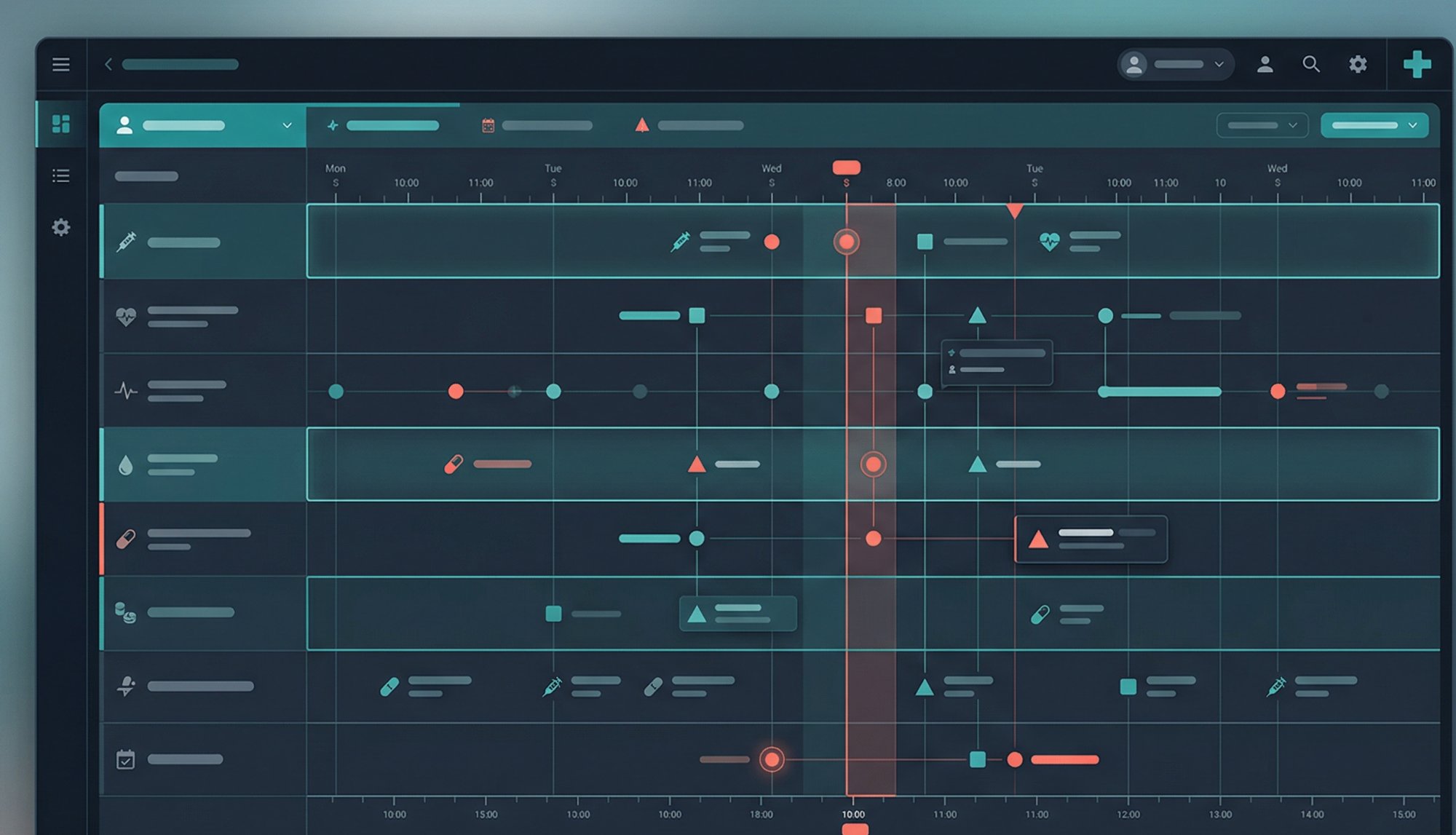
Temporal Swimlane Visualization

Temporal Swimlane

Parallel, time-aligned tracks for pharmacotherapy, substance use events, and life context — housing, employment, trauma. Clinicians instantly spot temporal correlations that conventional records hide.
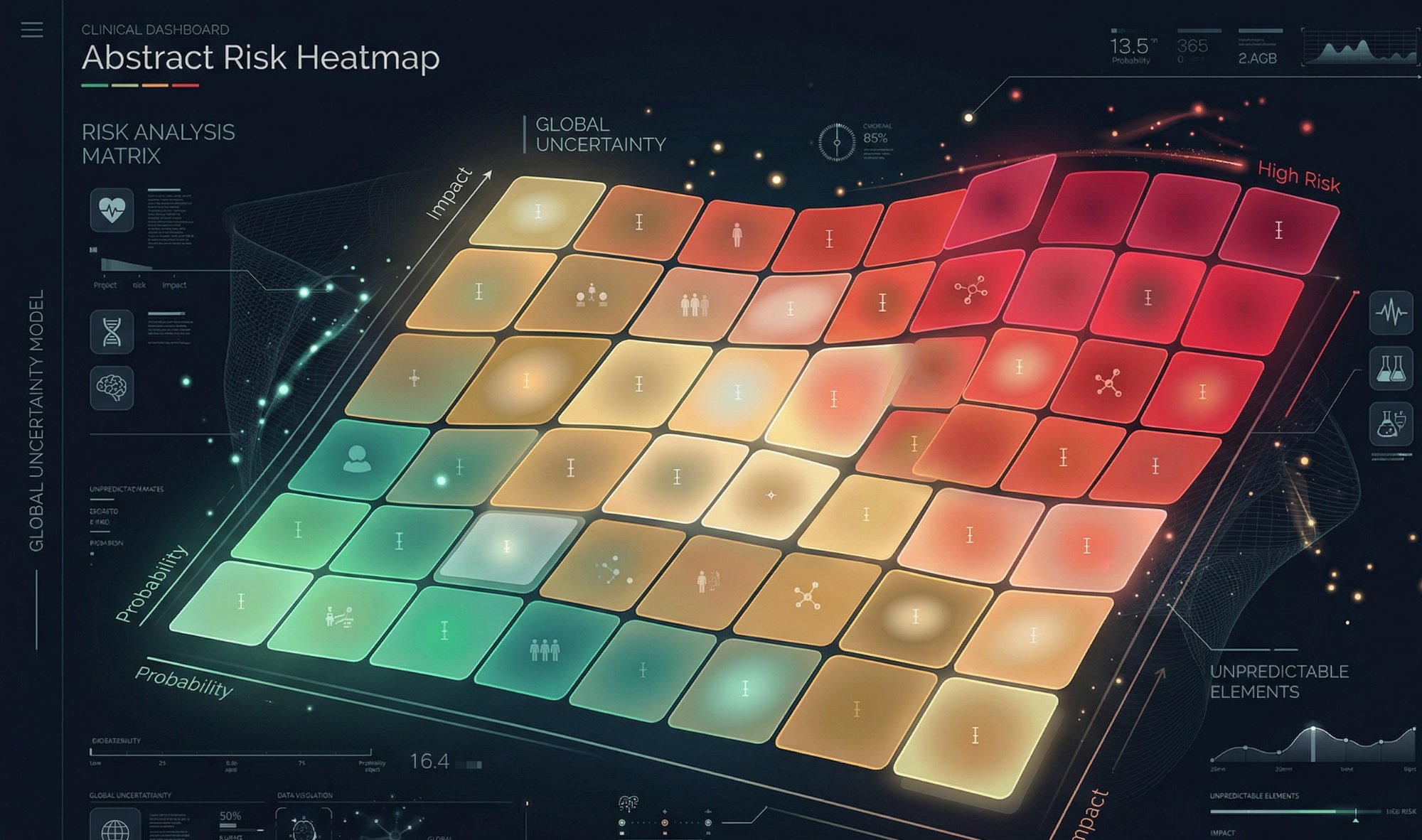
Risk Heatmap

Risk Heatmap

Modifiable risk factors displayed with model uncertainty front and center. "What-if" simulations let clinicians explore how changes in housing, social support, or medication adherence shift outcomes — before making decisions.
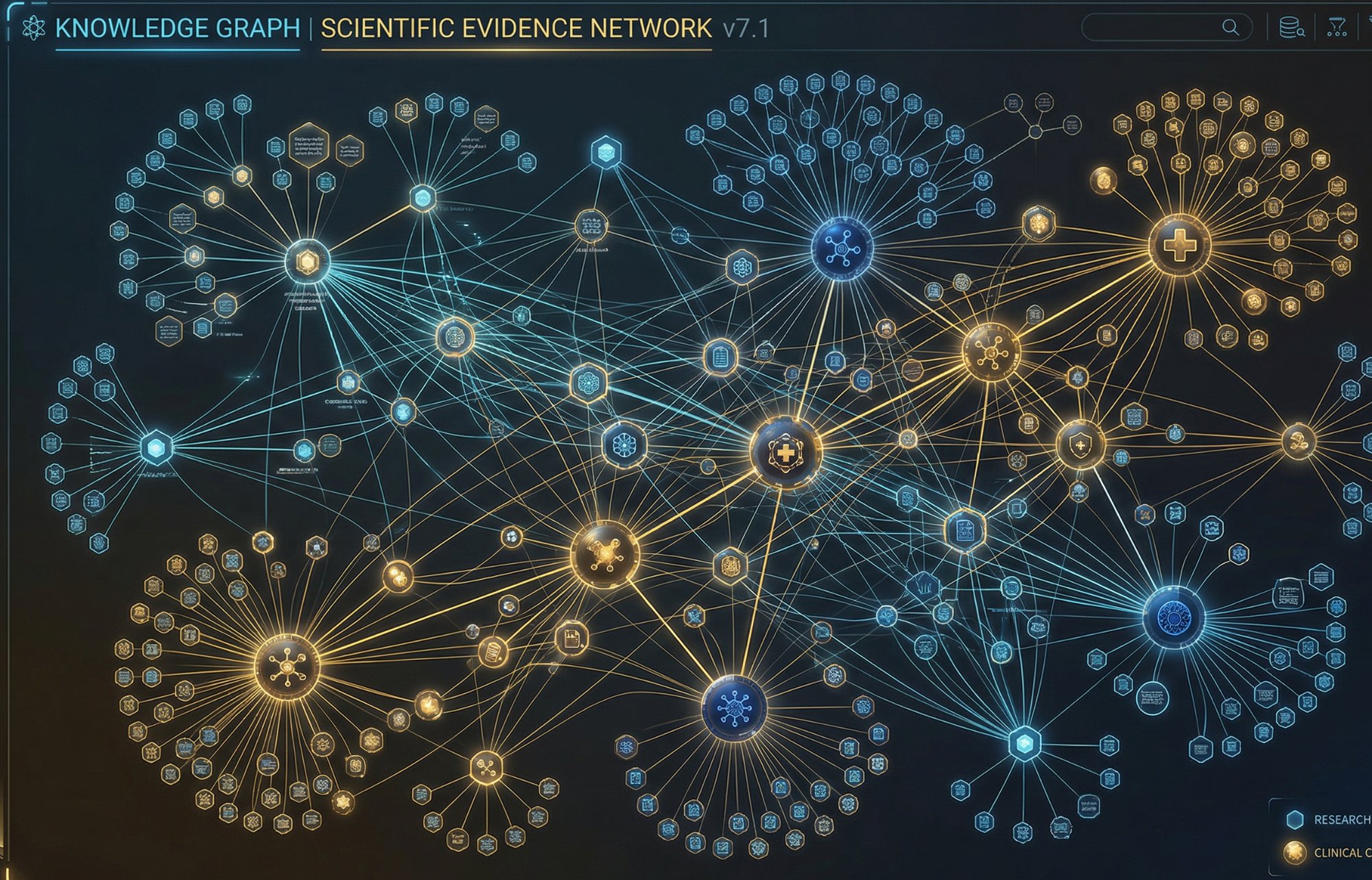
Evidence Synthesis

Evidence Synthesis

An agentic AI layer that continuously searches, evaluates, and synthesizes peer-reviewed literature — producing context-aware insights explicitly linked to the individual's history, not generic summaries.

Glass-box AI — not black-box

Every clinical consideration can be traced to specific patient events or cited research. The clinician is always the decision-maker.

Transparent by design

A neuro-symbolic architecture ensures every output is explainable and auditable — no opaque predictions, no unexplained scores.

Human in the loop

The platform highlights trade-offs, risks, and evidence. It never issues autonomous recommendations — clinicians review, verify, and decide.

Privacy first

Personally identifiable information is redacted locally before any AI inference. The system operates within facility firewalls on dedicated infrastructure.

EHR-native integration

Built on SMART on FHIR standards, the platform connects to existing clinical workflows — no manual data entry, no parallel systems.

Research rigor meets startup execution

A family team spanning three countries, combining decades of addiction research with AI engineering and business strategy.

M

Miriam Boeri, PhD

Research & Clinical Lead

25+ years of substance use disorder research. Former PI on federally funded studies. Deep expertise in ethnographic methods and the social dimensions of addiction.

T

Thor Whalen, PhD

AI & Technology

20+ years in AI/ML system design. Co-founded OtoSense (acquired). 150+ open-source packages. Specialist in interpretable, human-in-the-loop AI architectures.

J

Jasmine Boeri, MBA

Strategy & Operations

15+ years of project management, product development, and marketing. Drives commercialization strategy and operational execution.

Interested in what we're building?

We're actively seeking research partners, clinical collaborators, and early adopters. If better tools for substance use treatment matter to you, we'd love to talk.

Get in touch →